- What are packaged commercial HVAC systems?
- How do split HVAC systems work in commercial buildings?
- What are VRF and VAV HVAC systems, and why are they used?
- Why is regular HVAC maintenance important?
In any commercial building, whether it’s an office, warehouse, school, or retail space, indoor comfort is essential for productivity and occupant satisfaction. Heating, ventilation, and air conditioning systems are at the heart of that comfort. But not all systems are the same. Different types of commercial HVAC setups exist to meet specific building needs, each with its own benefits, limitations, and maintenance requirements.
If you’ve ever searched for a commercial HVAC service near me or considered upgrading your system, understanding the different types of commercial HVAC systems can help you make an informed decision. Equally important is knowing how routine HVAC maintenance and a well-structured HVAC maintenance plan can extend the life of these systems and protect your investment.
Packaged HVAC Systems
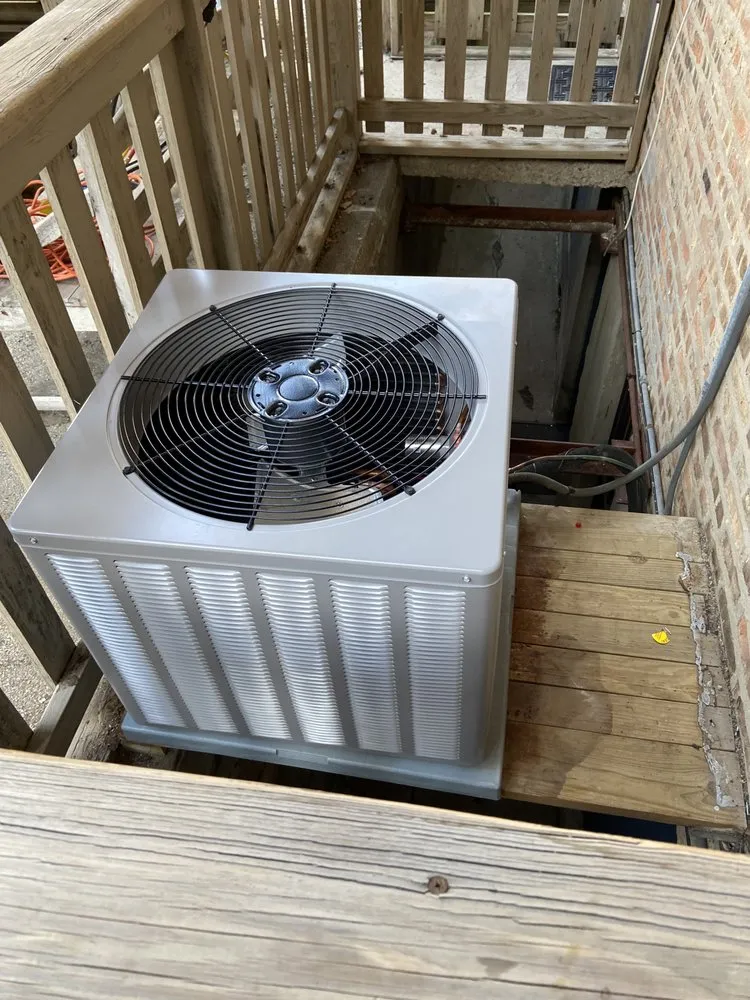
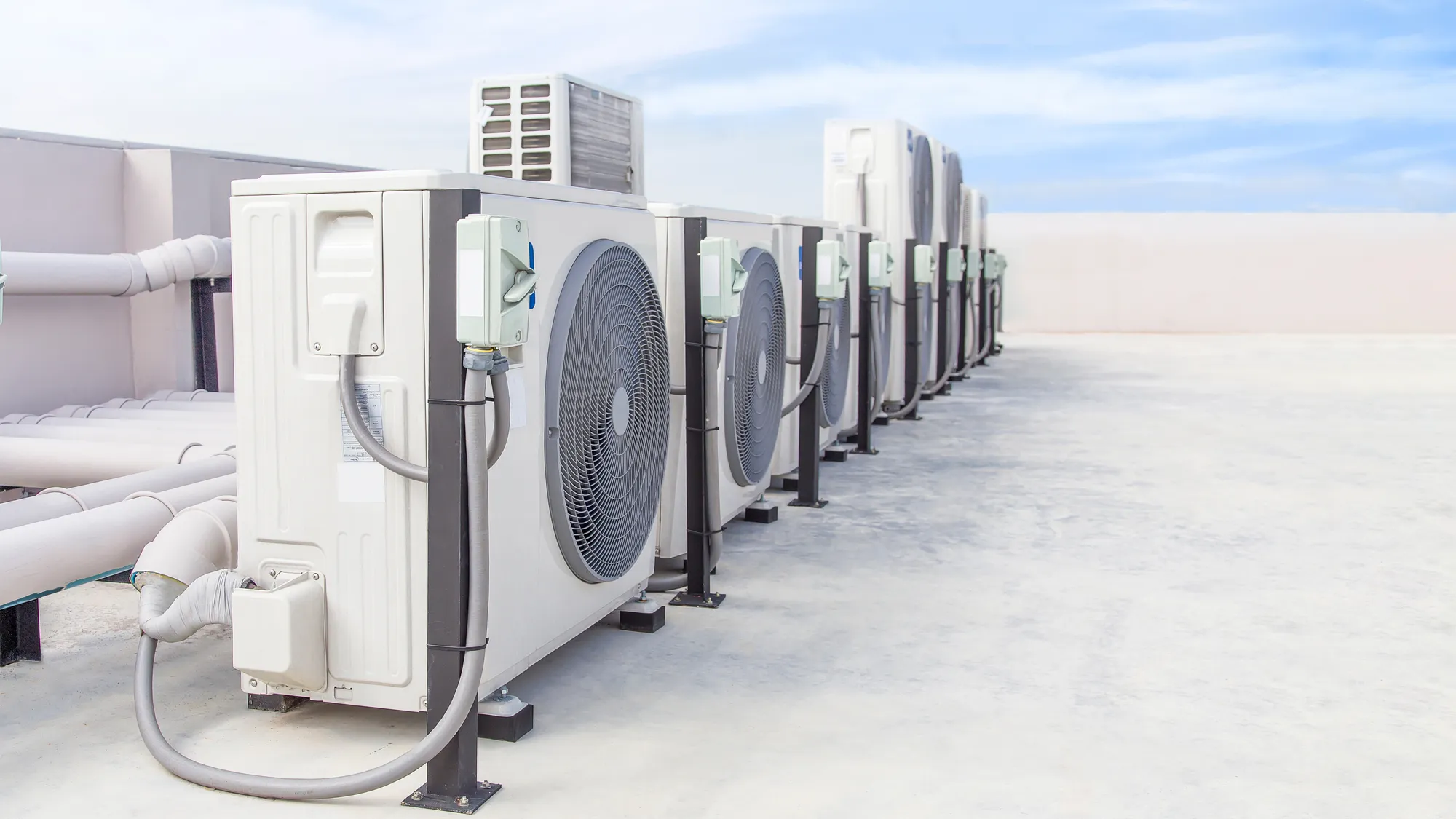
Packaged units are one of the most common solutions for commercial spaces, especially in smaller buildings that need efficient heating and cooling in one system. These all-in-one units typically sit on rooftops or just outside the building and contain all the major components: compressor, condenser, and evaporator.
Advantages of packaged systems include:
- Space-saving design since everything is housed in a single unit
- Easier installation compared to split systems
- Energy efficiency with modern units offering variable-speed fans and advanced controls
Because these systems are exposed to the elements, regular HVAC maintenance is crucial. Professional inspections can catch issues like refrigerant leaks, dirty coils, or worn belts before they disrupt business operations. Setting up a consistent HVAC maintenance plan ensures the unit continues to run efficiently, saving money on both repairs and energy bills.
Split Systems
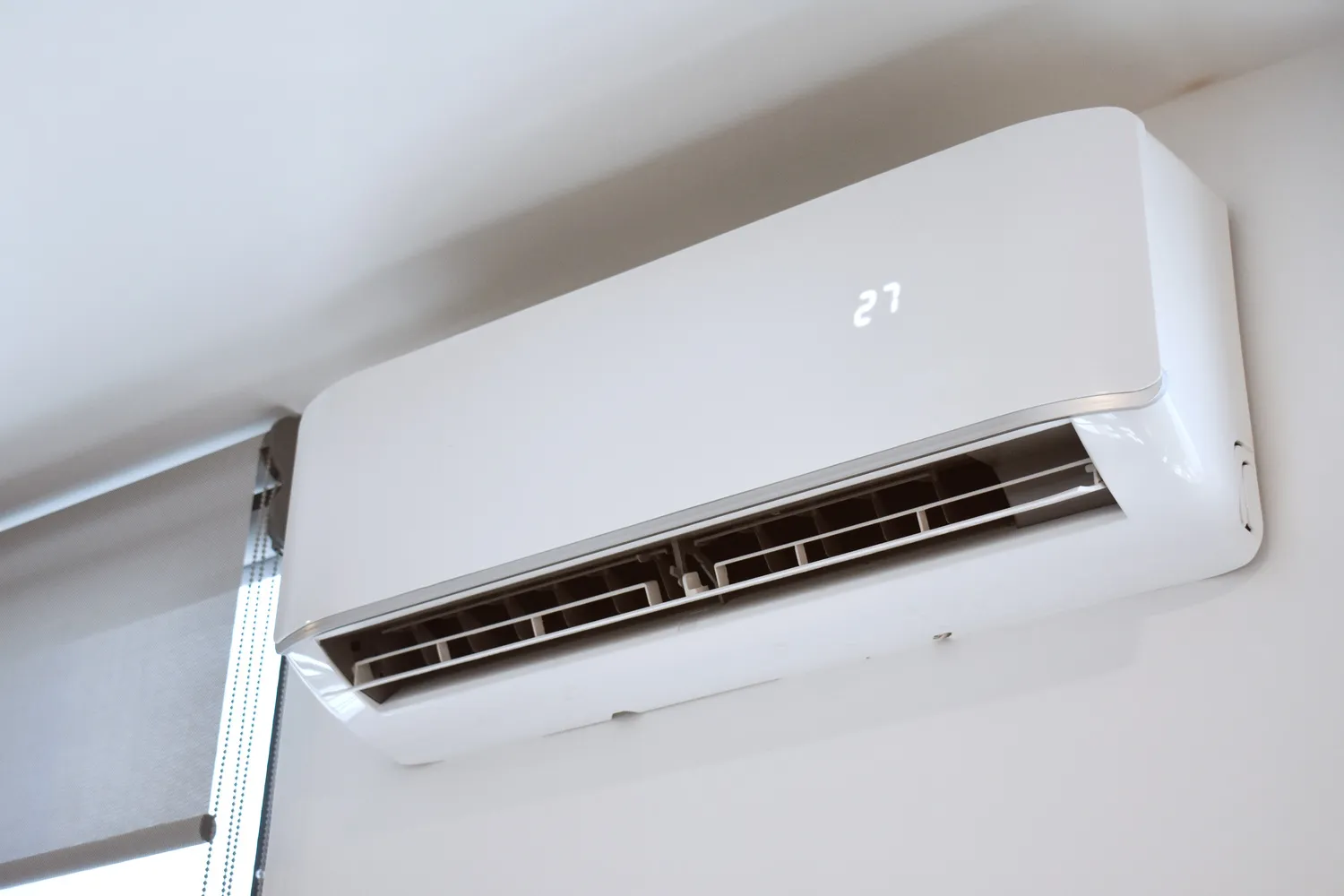
Split systems are widely used in larger commercial buildings where more flexibility is needed. Unlike packaged systems, split setups separate components, with the condenser and compressor usually located outside and the evaporator and air handler installed indoors.
Benefits of split systems include:
- Greater flexibility for cooling and heating multiple areas
- Quieter indoor operation since the compressor is outside
- Easier upgrades or component replacements
Split systems often require more complex ductwork, which makes them more suitable for businesses with multiple rooms or zones. If you’re considering installation or repair, searching for commercial HVAC service near me will connect you with professionals who understand how to size, install, and maintain these systems correctly. Regular HVAC maintenance is essential here, too—cleaning filters, checking ducts, and inspecting refrigerant levels all keep the system performing at its best.
VRF and VAV Systems
For large buildings like hotels, hospitals, or office towers, more advanced systems are often required to maintain comfort in different zones simultaneously. Two common choices are Variable Refrigerant Flow (VRF) and Variable Air Volume (VAV) systems.
- VRF systems use advanced technology to adjust the flow of refrigerant to multiple indoor units, providing precise temperature control. They’re highly energy efficient and great for spaces where different rooms may require different levels of heating or cooling at the same time.
- VAV systems regulate the volume of air delivered to different spaces. By adjusting airflow instead of shutting off completely, they maintain steady comfort while reducing energy use.
Both VRF and VAV systems are complex and require specialized expertise. Working with a professional commercial HVAC service near me ensures installation and ongoing HVAC maintenance are handled properly. For these advanced systems, a preventive HVAC maintenance plan is particularly important to avoid costly breakdowns and ensure efficiency.
The Role of Regular HVAC Maintenance
Regardless of which system a business chooses, proper care is non-negotiable. An HVAC system is a significant investment, and without regular service, efficiency drops, repair costs rise, and equipment life shortens.
A structured HVAC maintenance plan offers:
- Scheduled inspections and tune-ups to prevent breakdowns
- Priority service in case of emergencies
- Improved indoor air quality with regular filter replacements
- Lower energy costs thanks to well-maintained equipment
When businesses skip HVAC maintenance, they often face higher utility bills, uncomfortable indoor conditions, and expensive emergency repairs. Partnering with a trusted provider through a service agreement ensures peace of mind and long-term savings.
Final Thoughts
From packaged units and split systems to VRF and VAV setups, the world of commercial HVAC systems is diverse, with solutions tailored to different building sizes, layouts, and comfort requirements. Each system comes with its own advantages, but all share one common need: regular care and attention.
Searching for a reliable commercial HVAC service near me is the first step in ensuring your system is properly installed, serviced, and maintained. By investing in a structured HVAC maintenance plan, business owners can protect their investment, keep employees and customers comfortable, and reduce unexpected repair costs.
When it comes to keeping your business running smoothly, a well-chosen HVAC system—backed by consistent maintenance—can make all the difference.